
COMMON COURT PROBLEMS
Nature has a way of placing unexpected pressure on the playability of courts. The points outlined below highlight some of the more common issues facilities may experience over time.
Our goal is to support informed decision-making that prioritizes long-term playability, safety, and responsible facility stewardship.
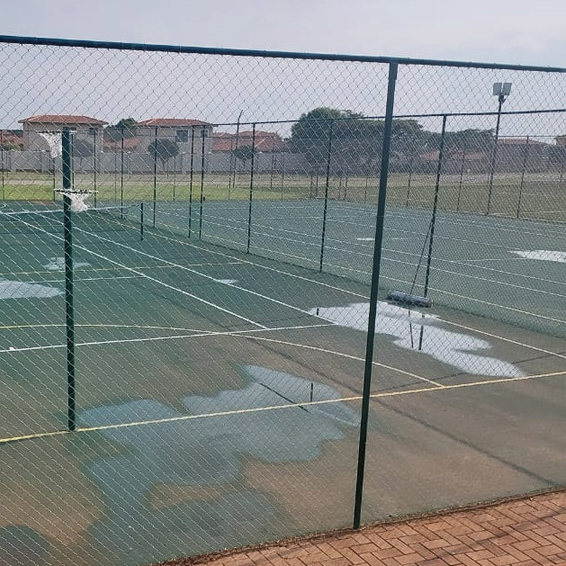
Surface
Ponding
Certain areas of the court retain water after rainfall or washing. This indicates that the surface is no longer achieving the recommended true-plane drainage slope. Standing water accelerates surface wear and supports algae growth.
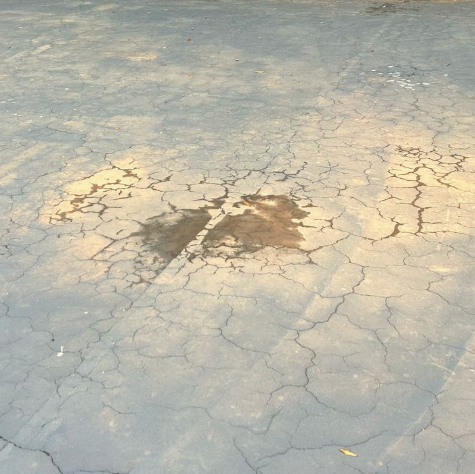
Subsurface
Moisture
Moisture infiltration beneath the surface can weaken the underlying structure and lead to localized soft areas or future cracking.
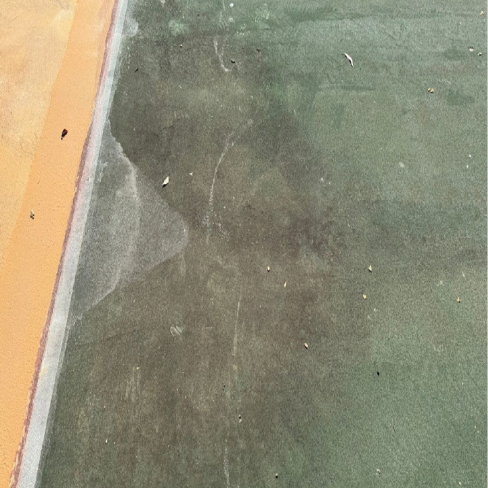
Weather Exposure & Surface Wear
Outdoor hard courts experience year-round weathering. Inadequate stormwater management can increase wear rates.
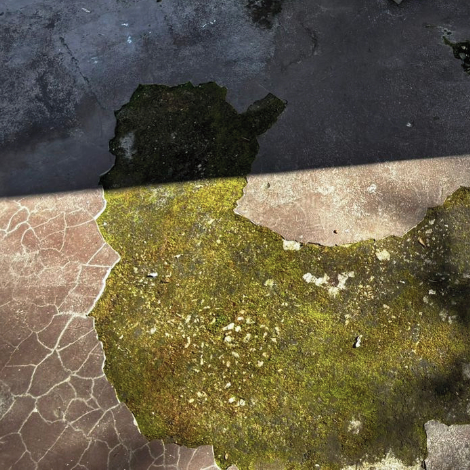
Algae or Moss Growth
Algae or moss may appear in shaded or consistently damp areas, reducing surface traction and increasing slip risk.
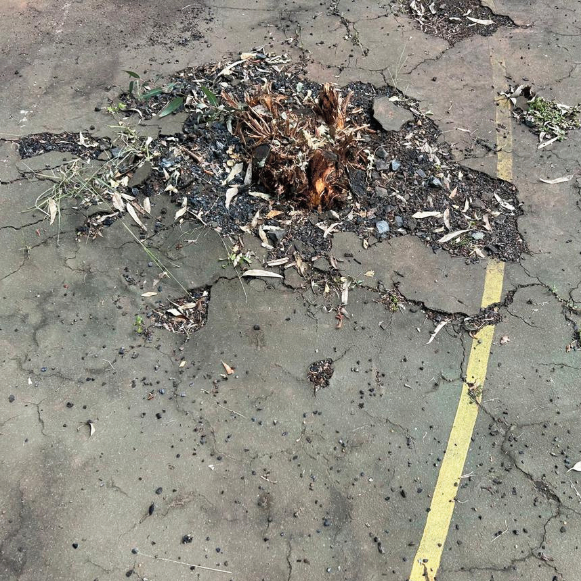
Tree Root
Interference
Tree roots may cause surface lifting or uneven playing conditions.
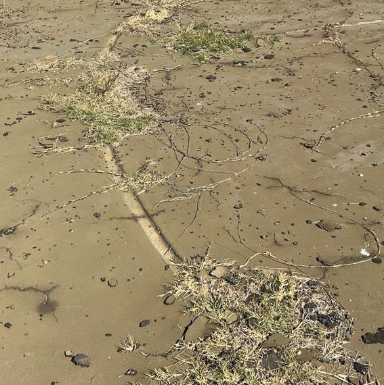
Grass & Weed Edge Intrusion
Vegetation encroaching at the court perimeter allows moisture entry and compromises the surface bond.
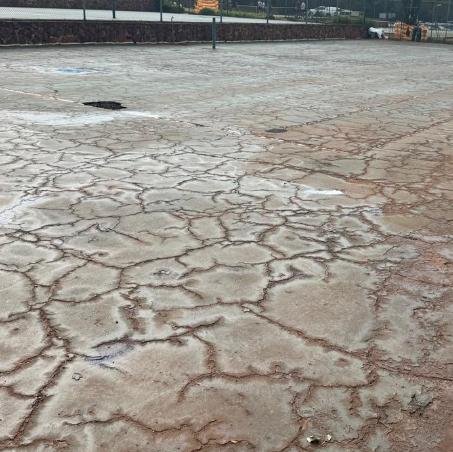
Structural
Cracks
Cracks indicate movement in the base layers. Surface coatings alone will not fully resolve these conditions, though appropriate crack repair and resurfacing can limit further propagation.
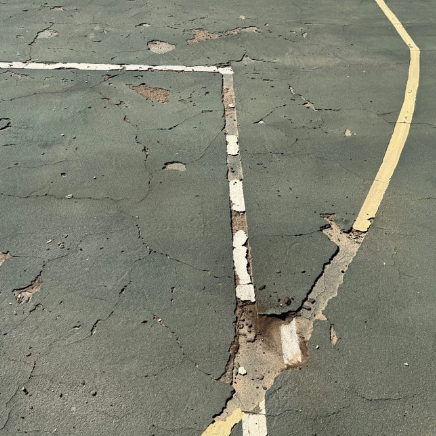
Delamination (Layer Separation)
Separation of coating layers indicates compatibility or preparation issues.
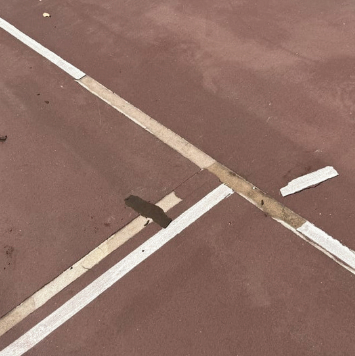
Court Line Paint Compatibility
Some existing line markings appear to use non-acrylic paint, which may reduce adhesion and durability.
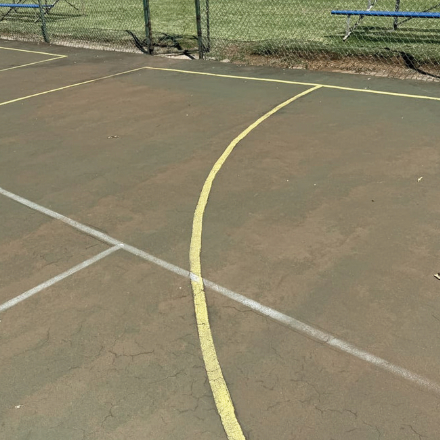
Surface
Texture
A slippery or overly smooth surface may result from wear, contamination, or loss of texture.
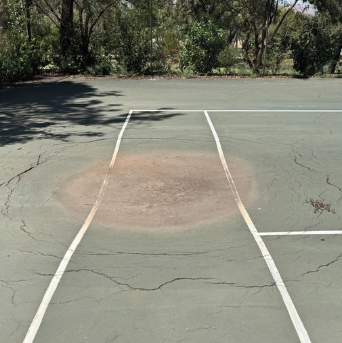
Potholes & Depressions
Surface depressions or potholes typically result from subsurface voiding or insufficient base compaction.
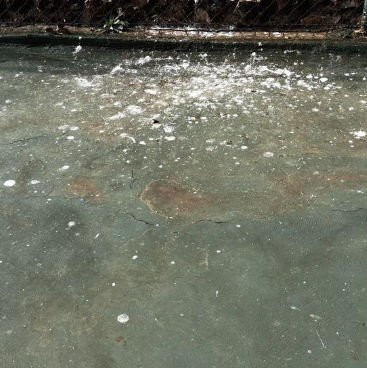
Bird Droppings (Uric Acid)
Bird droppings are highly acidic and can chemically degrade acrylic coatings if not removed promptly. Overhanging trees increase accumulation.
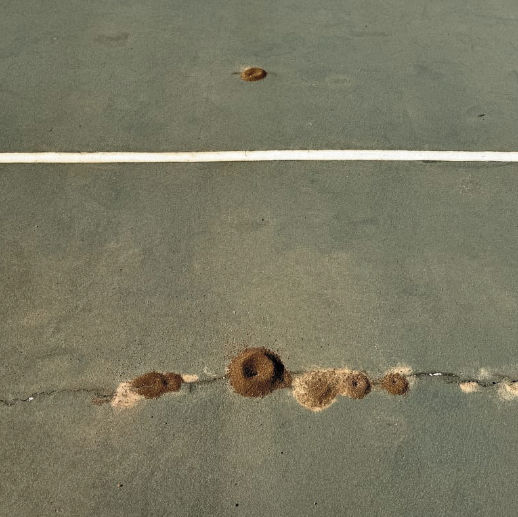
Ant
Activity
Ant burrowing may create voids near court edges, potentially affecting structural stability.
 10 Palala Road, Wilropark, Johannesburg, 1724
 Office: 011 704 4531 / 082 618 1743